

Turning Tides | Zero Waste Forum, Istanbul, June 5–7, 2026
Istanbul, June 2026 – Turning Tides – a Canadian non-profit working at the intersection of communities, ecosystems, and economies – participated in the Global Zero Waste Forum in Istanbul from June 5 to 7, 2026. Across three days, Turning Tides brought its regenerative agriculture and food security framing into the forum’s youth commissions, co-coordinated the June 7 review session alongside SERAC-Bangladesh, and hosted a dedicated Living Soils networking session connecting soil restoration science to the zero waste and climate action agenda advancing toward COP31.
At the Forum, Turning Tides launched its white paper, From the Ground Up: Regenerative Farming, Living Soils, and the Climate Intervention We Are Missing, setting out how regenerative farming and the restoration of soil health can deliver measurable outcomes across climate, food systems, and local economies. Read the full story here.
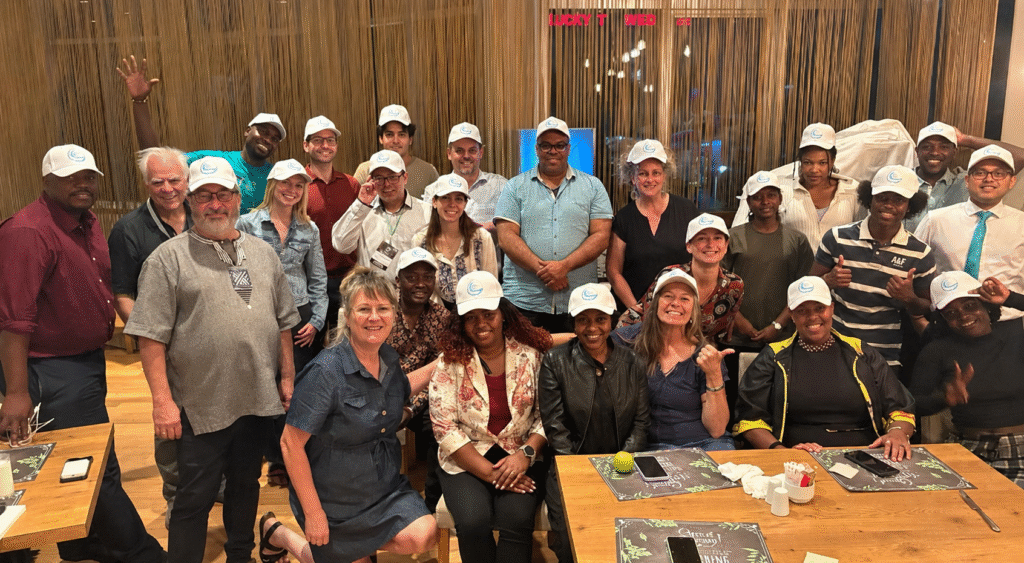
The forum brought together 55 youth delegates from 25 countries across six continents. Women made up the majority of the cohort. Delegates came from the informal settlements of Kibera and Mathare in Nairobi, from Bangladesh, Indonesia, across Africa, Asia, Latin America, North America, and the Pacific – communities where zero waste and food security pressures are most immediate. These are also the communities where the link between organic waste and soil health is not abstract: it is felt directly in the food systems people depend on. Turning Tides’ work to convene equitable, community-led regenerative models found direct grounding in the knowledge and experience those delegates brought to the room.
June 6 – Food Security and Youth Engagement
The Young Diplomats Association (Genç Diplomasi Derneği) convened a full youth day structured around three thematic commissions: Zero Waste Europe and Sustainable Systems; Innovation and Entrepreneurship; and Circular Economy and Economic Transformation. Turning Tides and its partners participated in the commissions, bringing its regenerative agriculture and food security focus into the working sessions alongside the global delegates.
Turning Tides brought its regenerative agriculture and food security lens into those commission discussions. The delegates in the room made that framing concrete: participants from Kibera and Mathare, from South and Southeast Asia, from across Africa and Latin America were already working where soil degradation, food insecurity, and waste systems failure intersect.
The day closed with a collaborative DeclarACTION session, producing the building blocks of a second Youth DeclarACTION on Zero Waste Living. Food waste and behaviour change were named themes in the drafting process. The Living Soils argument connects directly to what that text is calling for: the organic materials communities discard are the feedstock for restoring the soils those same communities depend on for food.
“Young people and women are already among the most powerful drivers of climate action. Their participation must go beyond symbolic inclusion and extend to shaping decisions and leading implementation.” ~ Samed Ağirbaş, COP31 High-Level Climate Champion and President of the Zero Waste Foundation, set the terms:
June 7 – Closing Review and Living Soils Session
On June 7, Turning Tides co-coordinated the forum’s closing review session alongside SM Shaikat of SERAC-Bangladesh. The session brought the international delegates together to review the commission work, drawing out themes across zero waste, circular economy, and climate action as the programme moved toward the DeclarACTION text and the road to COP31.
The question is not how we teach communities about COP. It is how we meet people where they are – in the language they already use to describe what climate change is doing to their lives. ~ Sally Higgins, COP31 Youth Climate Champion
The Living Soils Networking Session
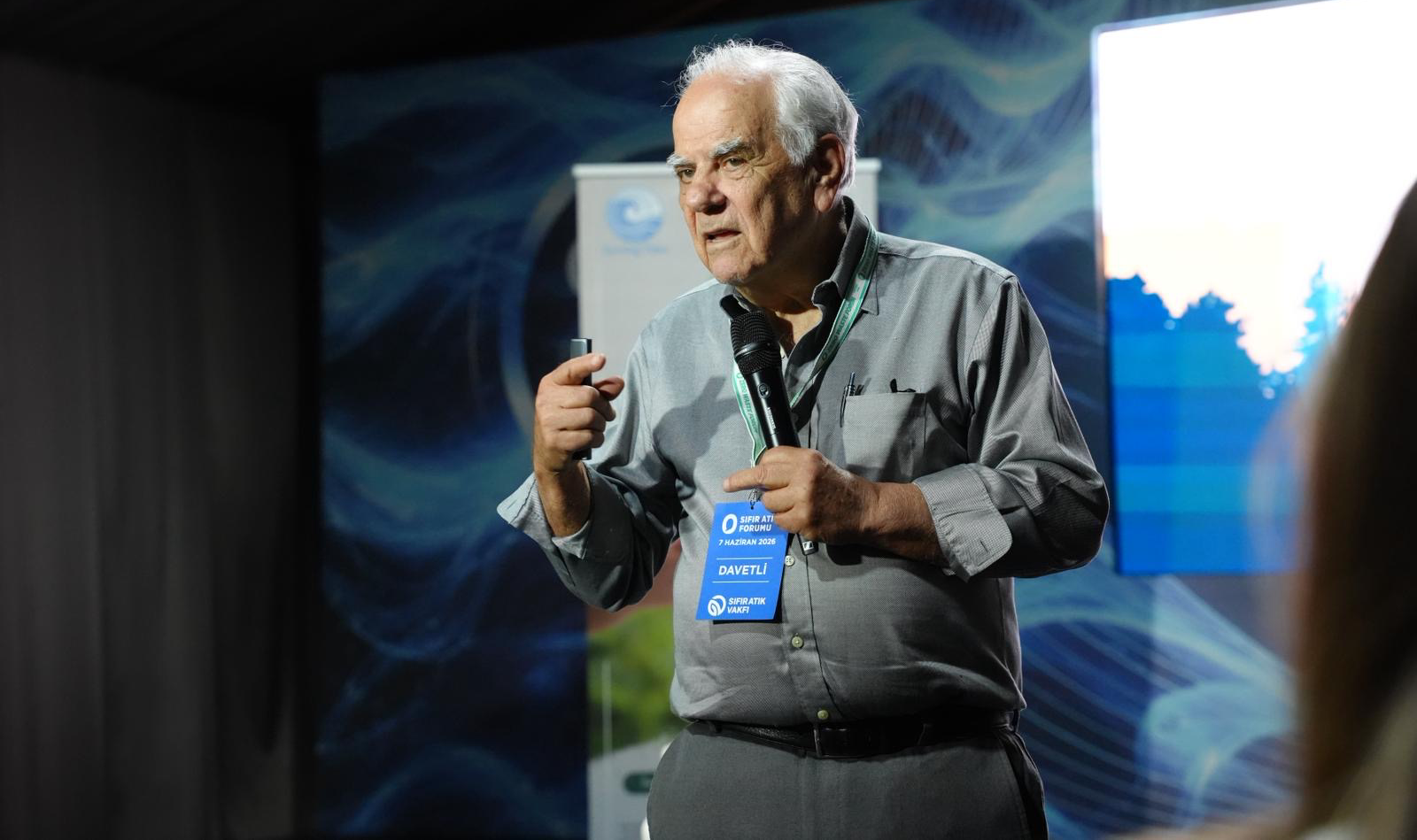
Turning Tides hosted a dedicated Living Soils networking session at the forum, led by Phil Ragan, Director of Turning Tides. The session presented the science of biologically active soil inputs, the distinction between conventional compost and living soils, and the Gibsons Curbside Program as a documented municipal case study: a 2018 programme in British Columbia that achieved 94% diversion and under 1% contamination through a two-bin system and community behaviour change.
The session positioned Living Soils within the forum’s circular economy framing: organic materials are not waste to be diverted, but biological resources that complete the natural cycle industrial food systems have broken. Restored soils sequester carbon, retain water, reduce chemical fertilizer dependency, and support the food systems that communities most exposed to climate stress depend on.
The Living Soils White Paper
Turning Tides’ participation was anchored by its white paper, From the Ground Up: Regenerative Farming, Living Soils, and the Climate Intervention We Are Missing. The paper makes the institutional case for soil biology as a defined climate intervention category, grounded in the Rodale Institute Farming Systems Trial, the work of Elaine Ingham and the Soil Food Web School, and IPCC land-use findings.
The paper names COP31 Antalya 2026 as the convergence point for land-based climate solutions and calls for recognition of living soils within the High-Level Climate Champion framework. It closes with a concrete proposal: inclusion of biological resource value in municipal organics policy, investment in pilot-scale validation sites, and development of a Living Soils Producer Standard grounded in measurable biological performance.
Download the Living Soils white paper
Download the Zero Waste Forum Living Soils press release
Turning Tides’ Road to COP31
Istanbul was the first international presence for the Living Soils Initiative. The five months between the forum and COP31 are a structured implementation window. The white paper is being finalized with scientific review. Pilot demonstration sites in the Salish Sea region and in Izmir are advancing. Outreach to cross-sector partners – municipalities, composting industry, academic institutions, Indigenous knowledge keepers, and youth networks – is underway.
The goal for Antalya is specific: arrive with validated pilot evidence, peer-reviewed scientific grounding, and a clear policy proposal for recognition of soil biology as a defined climate intervention category within the COP31 High-Level Climate Champion framework.
About Turning Tides
Turning Tides (BC Inc. No. S0083683) works at the intersection of communities, ecosystems, and economies, convening partners and supporting equitable, community-led regenerative models globally. Its flagship programme, the Living Soils Initiative, advances recognition of soil biology as a defined climate intervention category, bringing together compost practitioners, municipalities, farmers, researchers, Indigenous knowledge keepers, and youth networks on the road to COP31 Antalya 2026.
To connect with the Living Soils Initiative email us here: info@turningtides.ca