
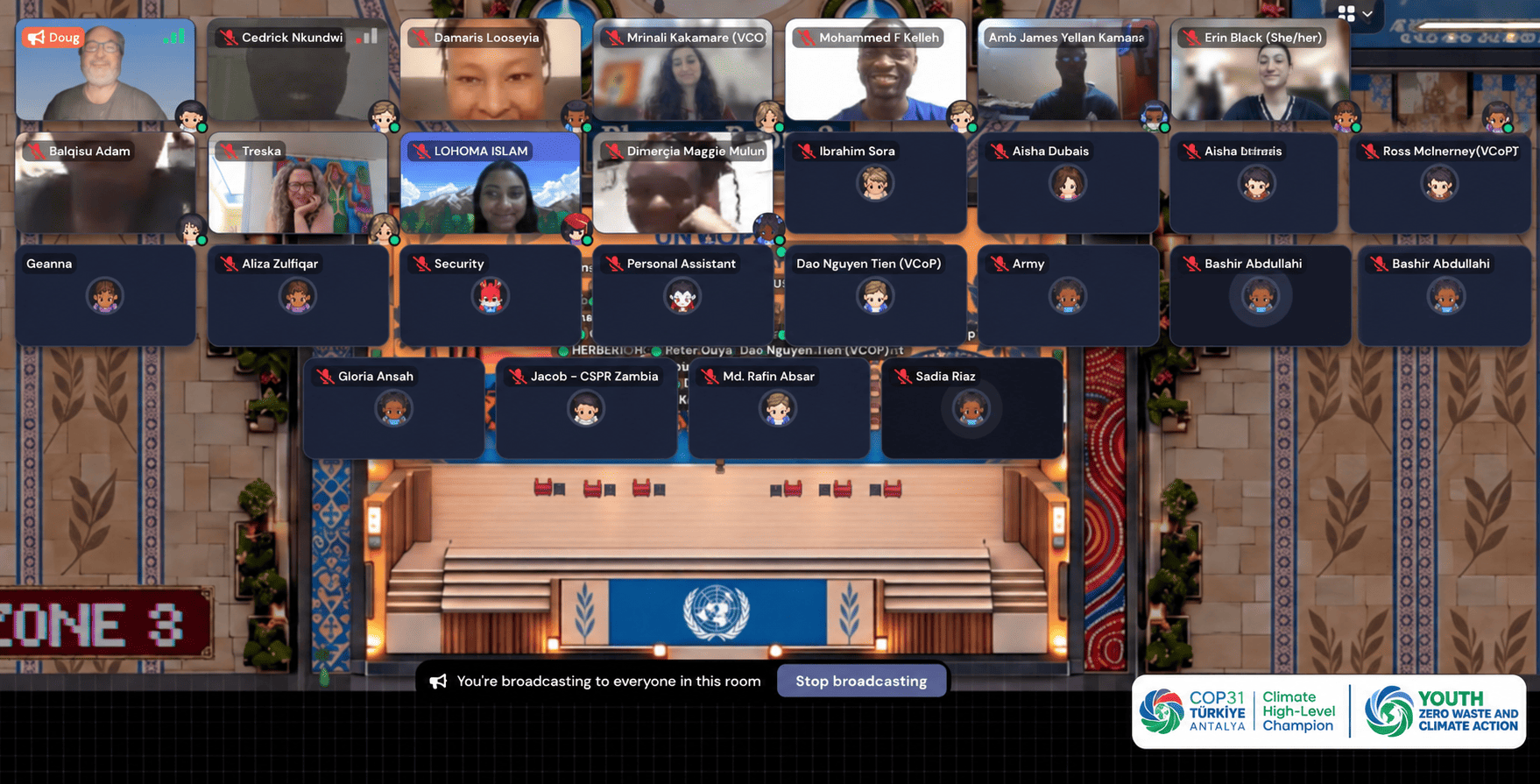
The Youth Zero Waste and Climate Action Network presented two of its programmes at the Virtual COP31 - the Leave No One Behind Food Security Initiative and the Upcycling Innovation Hubs. The conference was hosted by YOUNGO, the official children and youth constituency to the UNFCCC.Presenters joined from Canada and Kenya, alongside young delegates from several regions. The Network is supported by the Zero Waste Foundation and the office of Samed Ağırbaş, COP31 Climate High-Level Champion.
The shared agenda
The Youth DeclarACTION on Zero Waste and Climate Action
“Young people are not only asking governments to act. We are setting out what we will deliver ourselves.”
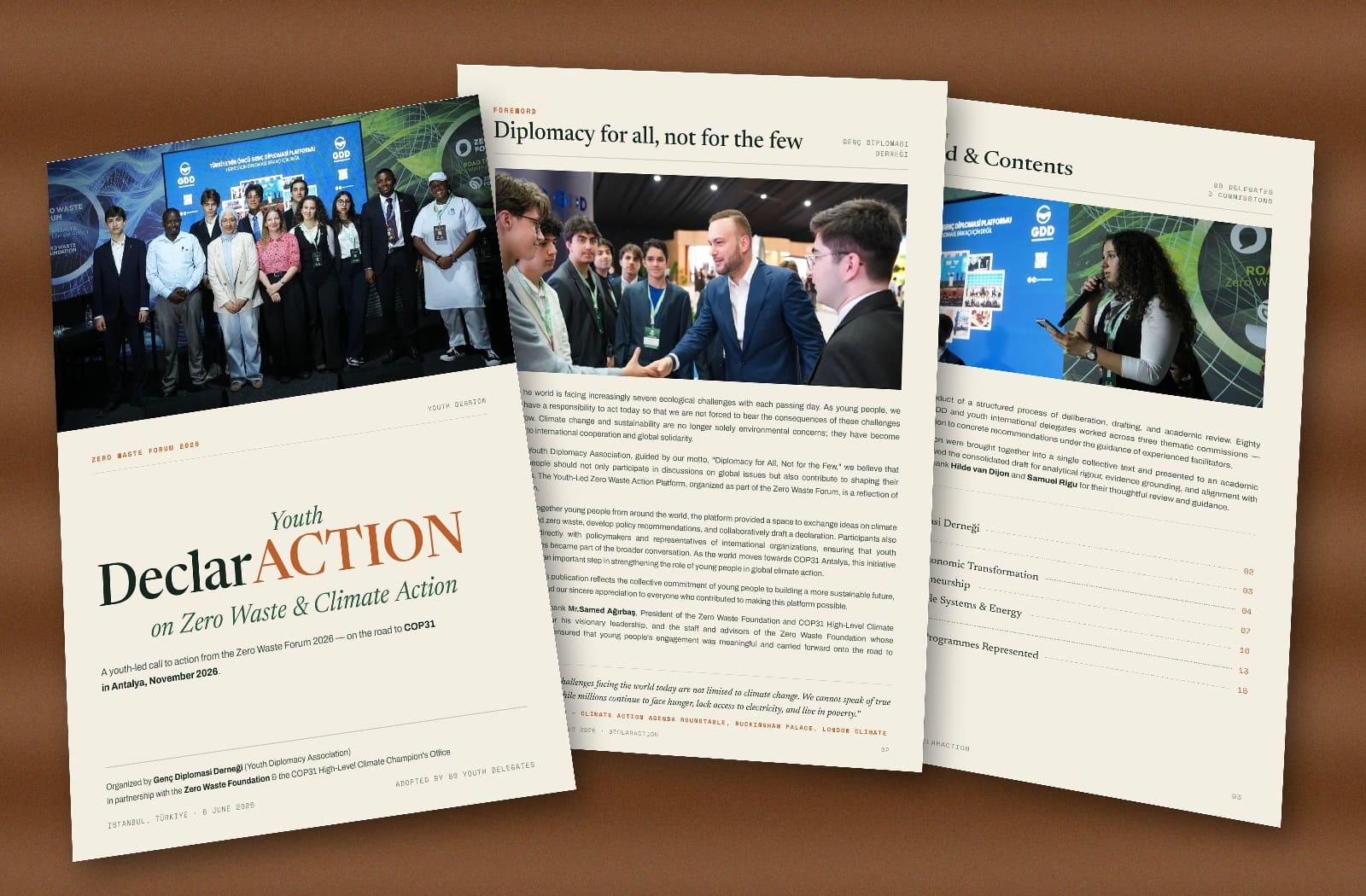
The Youth DeclarACTION on Zero Waste and Climate Action is the Network's shared action agenda. Youth delegates drafted it at the Zero Waste Forum in Istanbul in June 2026 through three commissions: circular economy and economic transformation, innovation and entrepreneurship, and zero waste, sustainable systems and energy transition.
It pairs commitments that young people will deliver with clear asks of governments and business..
Ensuring access to food, reducing waste and building climate-resilient food systems through youth-led action
Leaving No One Behind
“People should have access to food that is safe, nutritious and culturally appropriate, not just the food that was unsellable to others.”
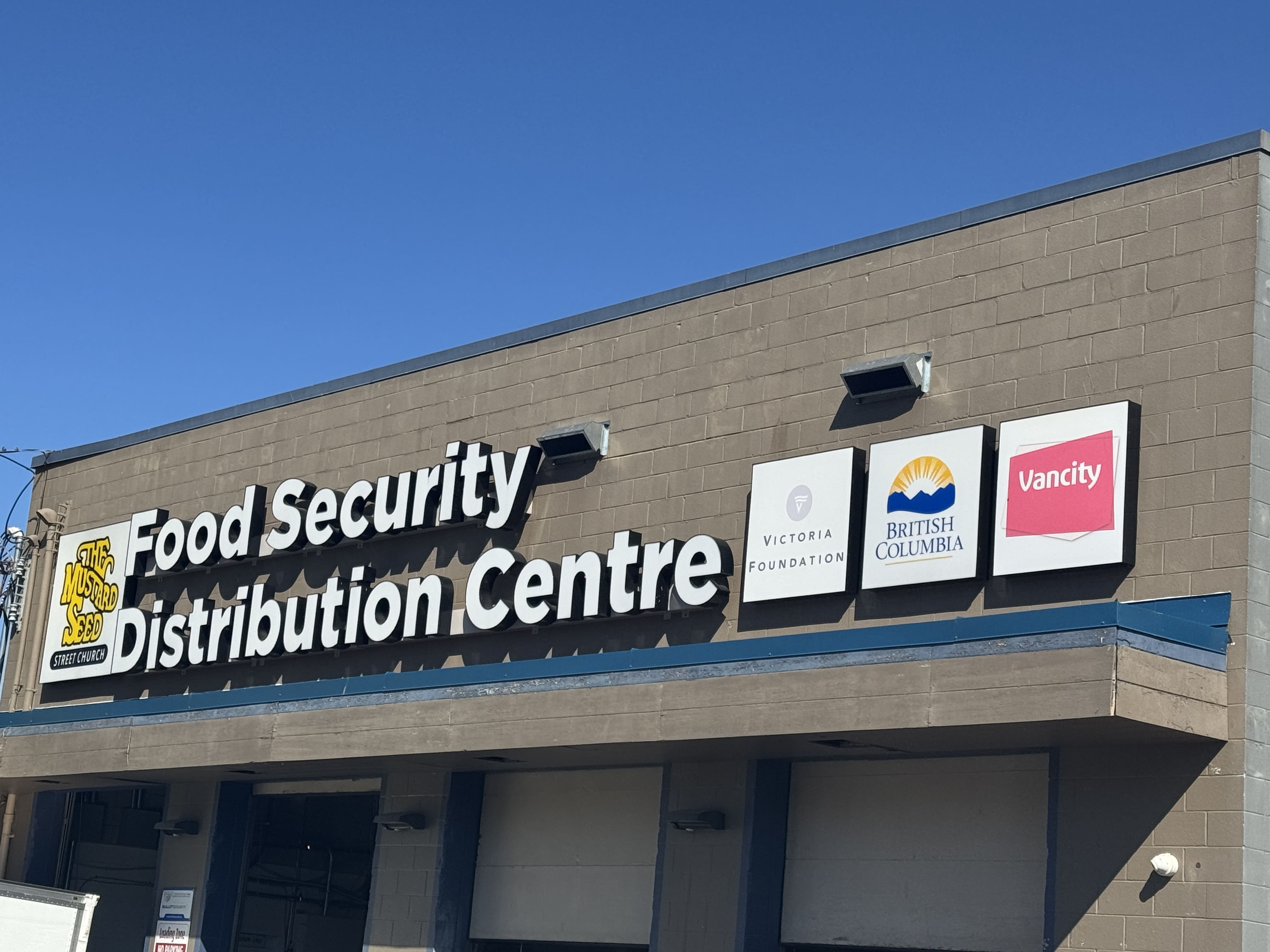
Erin Black, The Mustard Seed
Erin Black of The Mustard Seed in Victoria, Canada, presented for the Youth Food Security Caucus with colleagues Trevor Premack and Treska Watson. She opened with a short video made with Sally Higgins, the COP31 Presidency Youth Climate Champion.
Erin then traced a single banana through the food system, from farm to store to food rescue and, finally, to compost. At each stage she asked what the highest and best remaining use of the food would be. The presentation set out five-steps: prevent surplus, feed people, preserve or process, feed animals, and return nutrients to soil.
“Moving surplus from one place to another doesn't automatically make this system circular.”
Erin Black
Every pathway depends on transport, cold storage, kitchens, labour and food safety systems. Food rescue responds to surplus that already exists, so the Caucus also looks upstream at why that surplus is created. The Mustard Seed's food rescue programme diverts about 3.5 million pounds of food each year from more than 30 grocery partners to 84 community partners, farms and compost.
“You don't need to start with building a massive organisation. Start small by observing the systems around you. Follow the food.”
Erin Black
Upcycling Innovation Hubs
Kenya Upcycling Innovation Hub: From Waste to Worth
“Collecting waste for the sake of it is not solving the problem. Upcycling that waste into something of value is what solves the problem.”
Damaris Looseiya, Enkilla Afrocouture
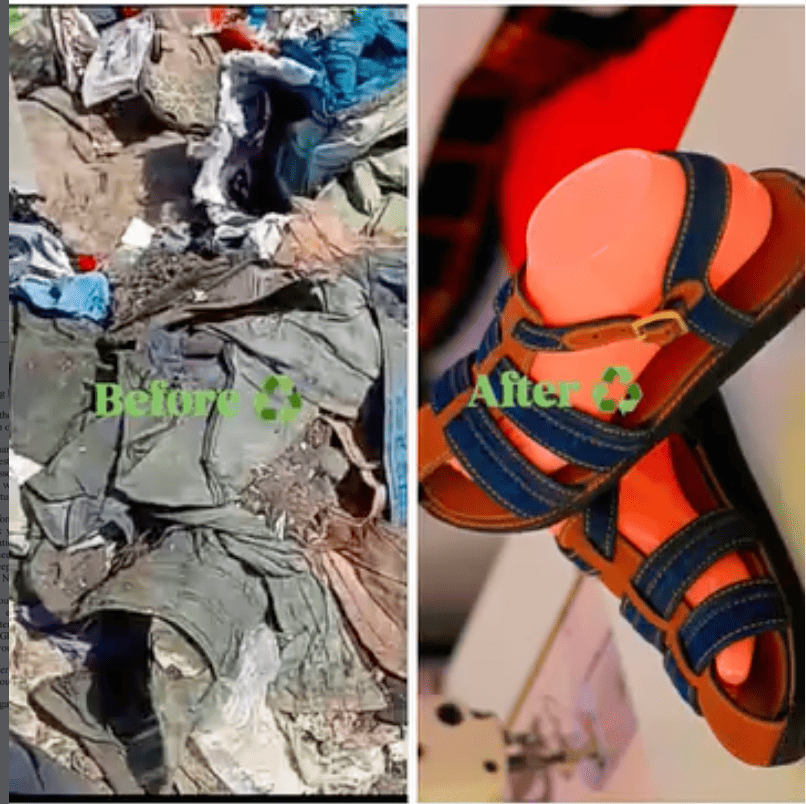
Damaris Looseiya of Enkilla Afrocouture presented the Kenya Upcycling Innovation Hub. The hub was formed at the Zero Waste Forum with Mto Wangu Initiative and Nane Experience.
Its members collected about 300 kilos of discarded denim from the Mathare River and Dandora dumpsite, then cleaned, disinfected and turned it into shoes, bags and outfits. The collection launched at the Waste to Worth event in the Maasai Mara on 3 October 2026. Panellists and government representatives there discussed jobs for young people, women and marginalised communities.
“In the Maasai culture, waste is a very foreign concept for us, because we live off the earth.”
Damaris Looseiya
The hub builds Maasai indigenous knowledge into its work and promotes slow fashion that lasts for years. It has acquired a baling machine and leased land in the Maasai Mara for a resource recovery centre. Fabric and glass stay with the hub, and plastics and metals go to other upcyclers. Its public benefit organisation application is complete. Groups in Ghana and Ecuador are now adapting the model, and partners in Nigeria have expressed interest.
Discussion
Questions from delegates
“By seeing us in action, that attracts people to come and volunteer.”
Damaris Looseiya
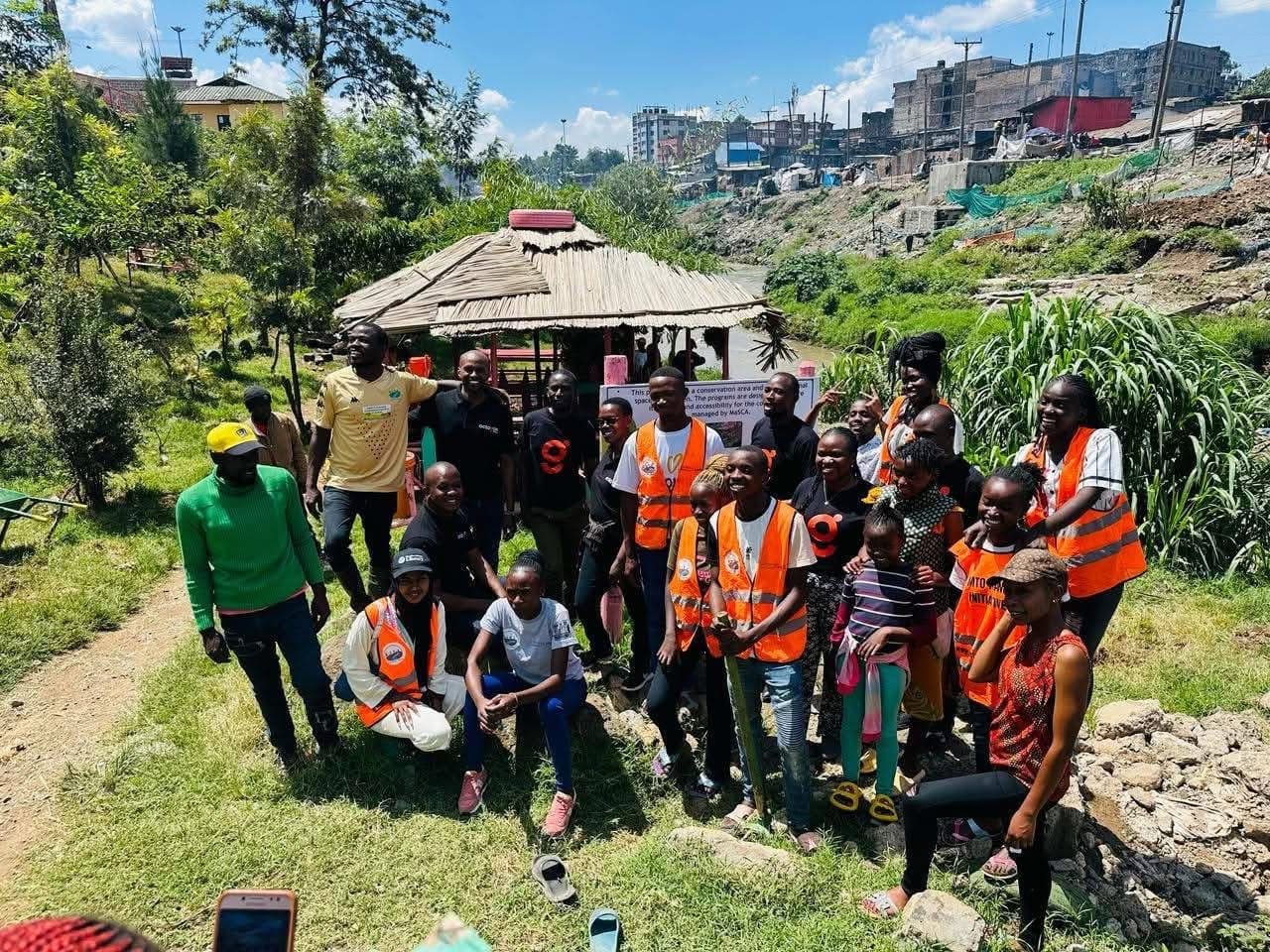
Delegates asked how the projects mobilise volunteers. Damaris explained that the hub works through community leaders and established groups such as the Green Army Foundation. Public collections, including a recent clean-up at the Sekenani River, draw passers-by in to help.
Erin described how the City of Victoria's ban on organics in landfill pushed grocers toward food rescue. Current challenges include fluctuating volunteer numbers and sudden surges of a single product, such as thousands of pounds of cauliflower. One delegate the issue of raised heavy post-harvest losses of tomatoes and mangoes due to lack of cold storage. Panellists pointed to drying and local processing, and to partnerships with nearby projects as possible solutions.